

Hysteroscopy


Follow Us on Social Media


Histeroskopi
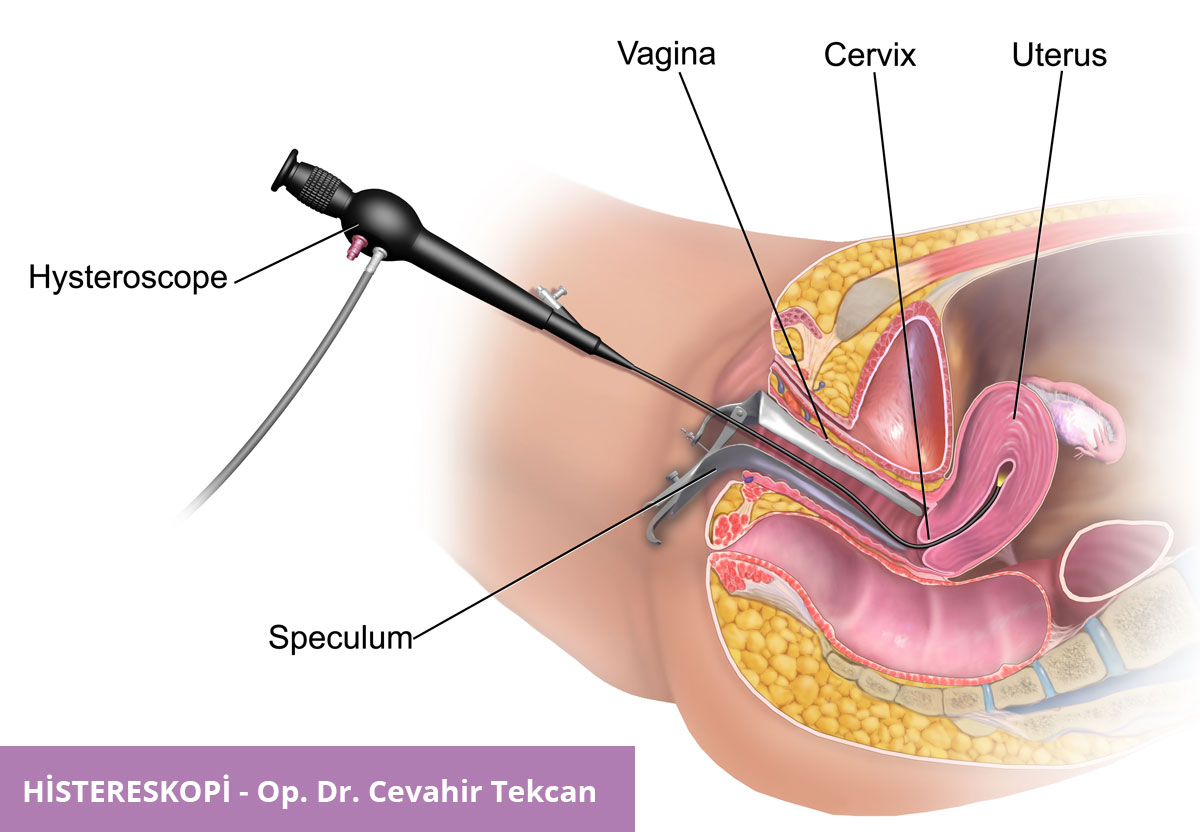
Hysteroscopy is the visual examination of the cervix and uterine cavity by inserting an optical device through the vaginal route into the uterus. The instruments used during this procedure are referred to as hysteroscopes.
Hysteroscopy can be performed for diagnostic purposes such as investigating the causes of infertility, exploring reasons for abnormal vaginal bleeding, diagnosing congenital abnormalities, or for therapeutic purposes like removal of previously detected fibroids or polyps, and surgical correction of congenital malformations.
The most common procedures where hysteroscopy is used include the removal of uterine partitions (septum), dilation of adhesions, polyp removal, evaluation of IVF failure, and removal of fibroids.
Adhesions within the uterus are significant causes of infertility, recurrent miscarriages, and reduced or absent menstrual periods. This condition is also known as Asherman’s syndrome, named after the first describer. Typically, it follows trauma induced within the uterus. The most common cause is the recognition of intrauterine adhesions after a decrease in menstrual flow or absence of menstruation observed during investigations after a miscarriage. It is particularly likely to occur after “overly vigorous” curettages. Other reasons following curettage include interventions performed due to incomplete removal of the placenta after childbirth and surgeries for uterine fibroids.
Less commonly, it can occur after an infection following childhood tuberculosis or other infections. Following curettage, damage to the layer of cells responsible for regenerating the inner lining of the uterus every month can render the uterine lining non-renewable, causing the uterine walls to stick to each other.